Luxury Transitional Kitchens USA: Professional Design & Management Guide
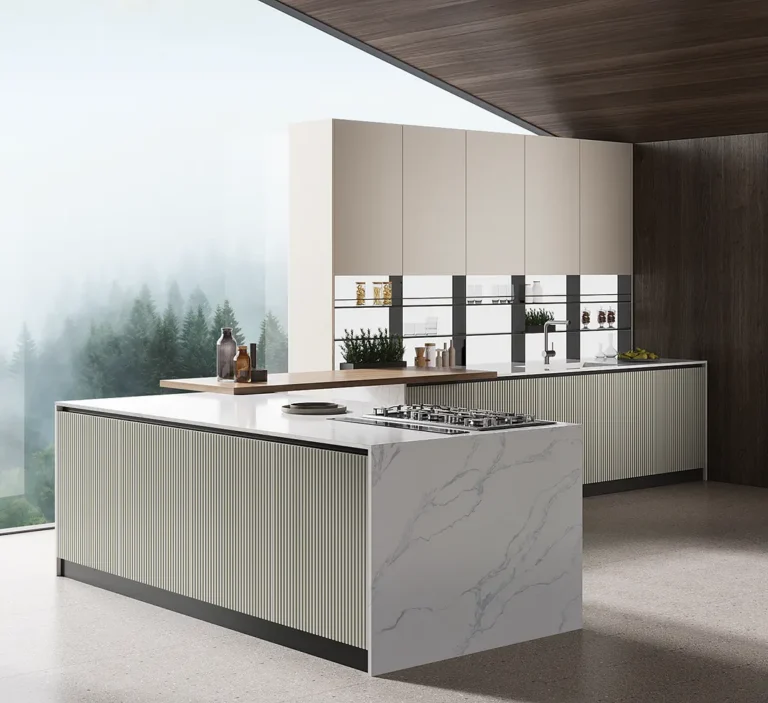
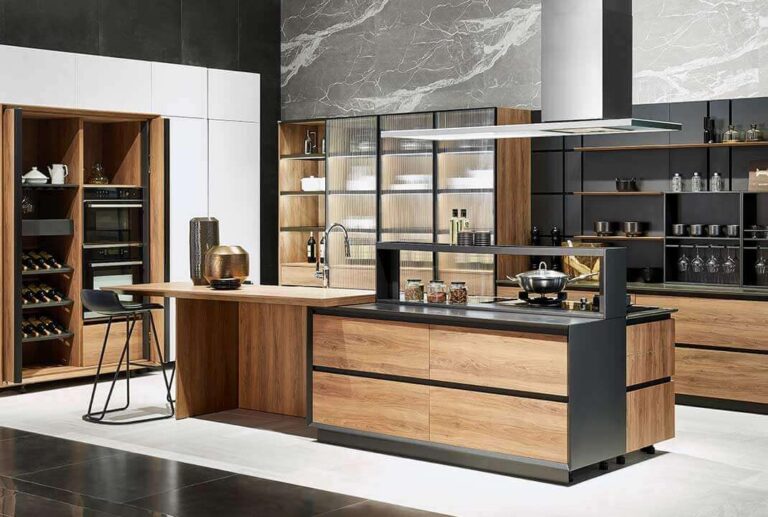
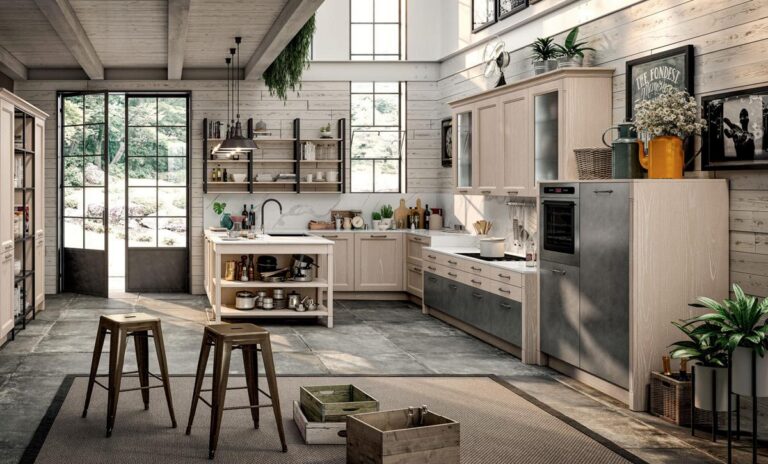
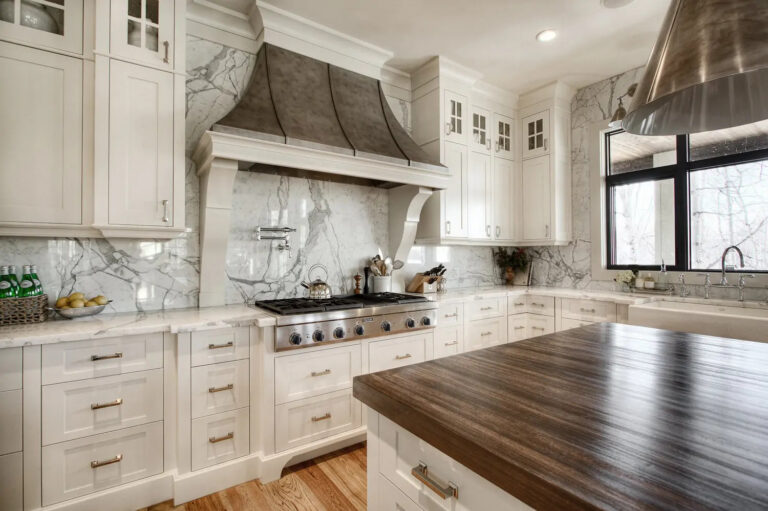
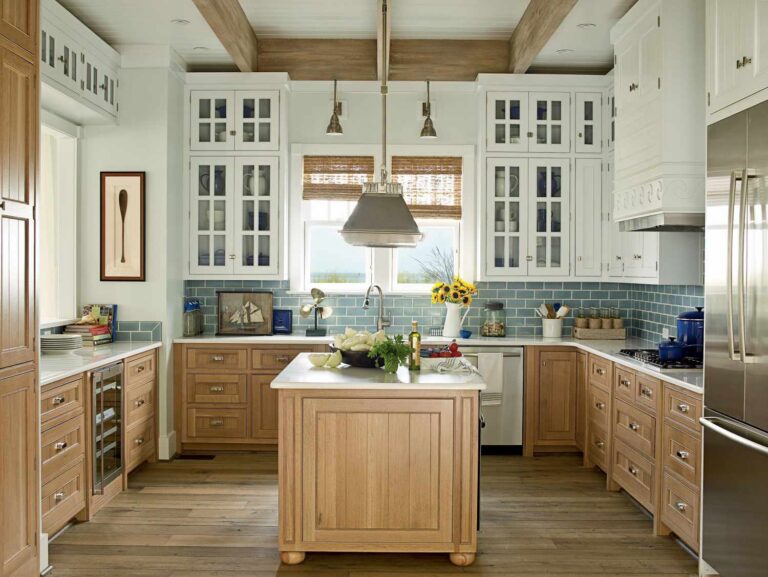
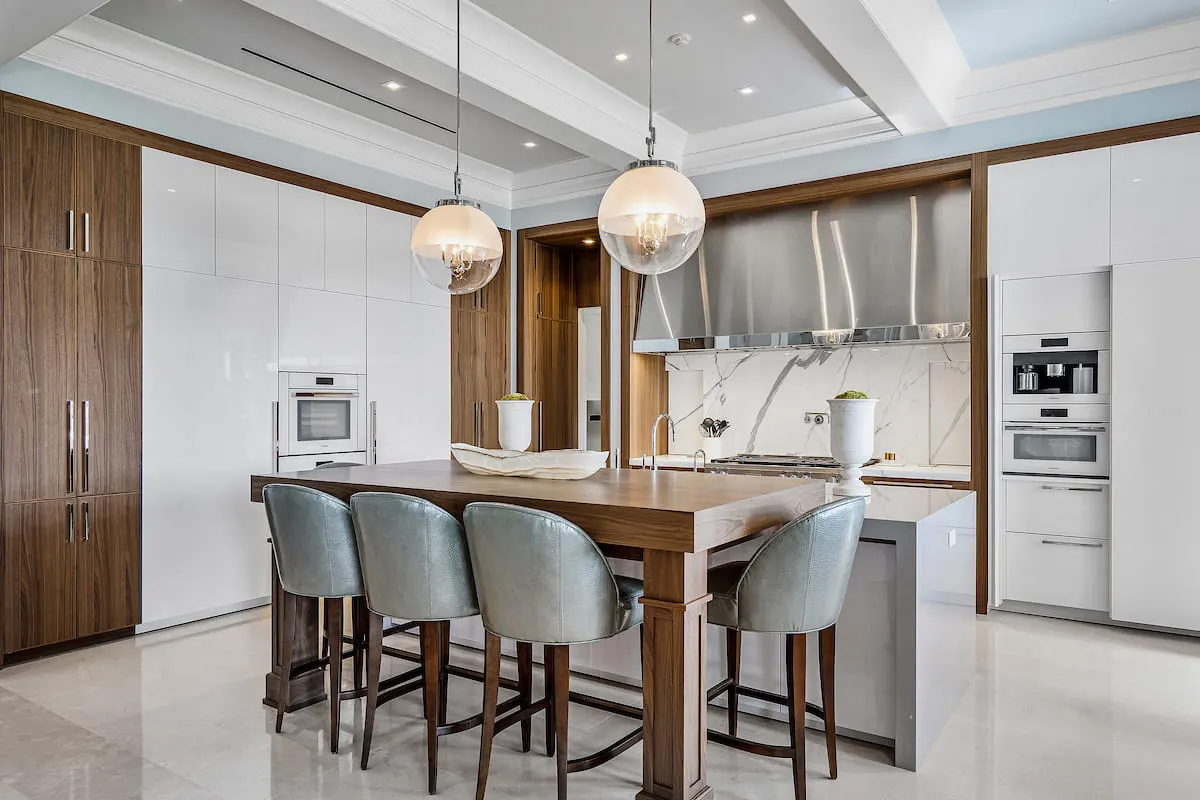
The domestic kitchen serves as the primary intersection of physical utility and atmospheric design. Within the contemporary American home, the quest for a kitchen that remains both functionally superior and aesthetically timeless has led to the dominance of the transitional style. This design paradigm represents a sophisticated reconciliation of traditional warmth and contemporary precision. It refuses the sterile austerity of pure modernism while rejecting the excessive ornamentation of historical revivals. Luxury Transitional Kitchens USA. By prioritizing balance, scale, and material integrity, this style offers a durable foundation for modern living.
Achieving a high-end transitional environment requires more than the mere selection of neutral palettes or Shaker-style cabinetry. It demands a rigorous approach to proportion, texture, and technical integration. The design must harmonize the inherent comfort of organic materials with the streamlined efficiency of current engineering. When executed with precision, these spaces transcend fleeting fads, providing an enduring framework that adapts to evolving household requirements. The successful realization of such environments relies upon a deep understanding of architectural history paired with an uncompromising commitment to contemporary performance.
This analysis provides an editorial-grade framework for interpreting, specifying, and evaluating high-end kitchen environments. It moves beyond superficial style descriptions to examine the systemic causes of visual harmony and mechanical excellence. This guide serves as a foundational resource for navigating the intricacies of sophisticated residential design, ensuring that property owners can evaluate performance, protect their legal interests, and preserve the long-term viability of their capital investments in domestic space.
Understanding “luxury transitional kitchens usa”
Defining “luxury transitional kitchens usa” requires a move away from the common misconception that this style represents a diluted aesthetic. In professional design contexts, the transitional approach functions as a sophisticated, engineered synthesis. It operates by stripping traditional forms of their superfluous embellishments while softening modern shapes with organic texture. The risk of oversimplification remains profound; when designers treat the style as a simple mix-and-match exercise, they lose the ability to create cohesive environments. This superficial application often leads to fragmented spaces where traditional and modern elements collide rather than converse.
A Multi-Perspective Approach
A multi-perspective evaluation recognizes the high-end transitional kitchen as an interconnected ecosystem. From the structural perspective, it relies upon clean lines and balanced geometry to define the volume of the room. From the material perspective, it integrates warm, tactile elements—such as natural stone or rift-sawn wood—with the precision of brushed metals or industrial glass. From the administrative stance, it requires flawless coordination between the cabinetry fabrication, appliance integration, and electrical planning to ensure that the “seamless” look remains functionally accessible. Managing success involves acknowledging these distinct layers and applying appropriate corrective mechanisms to each, rather than attempting to force singular, uniform solutions onto varied project requirements.
The Problem of Reactive Design
Effective management begins by abandoning reactive, trend-driven decision-making. When designers chase the newest finish or the most popular hardware without considering the overall spatial equilibrium, they sacrifice the timelessness that defines true luxury. Elite project oversight gets defined by the transition from asking “What is currently trendy?” to querying “What design choices maintain long-term architectural integrity?” This shift requires documented, collaborative processes where owners and designers align on foundational proportions, material palettes, and impact upon final delivery quality.
Contextual Intelligence and Systemic Resilience
Managing high-end renovations demands contextual intelligence. It requires the ability to distinguish between “necessary” detail—such as high-quality joinery or integrated hardware—and “noisy” ornamentation that detracts from the space. Systemic resilience resides within projects where both parties maintain clear, shared records of design intent. When such data exists, decisions regarding adjustments rely upon objective metrics rather than subjective memory, which remains the primary source of escalation in residential disputes.
The Evolution of Domestic Design Paradigms
The American residential landscape in 2026 exhibits higher degrees of design consciousness than previous decades. Domestic construction operates no longer as a localized endeavor of simple material assembly; it links deeply to global logistics, strained labor markets, and increasingly complex regulatory environments. The historical shift toward open floor plans and integrated smart systems removed margins for error that older, partitioned designs provided.
From Simple Assembly to Integrated Systems
In previous eras, timing problems often underwent mitigation through the modularity of work. If carpenters faced issues, painters could potentially proceed. In today’s high-performance homes, trades occupy strictly sequenced niches. Electrical, low-voltage, and structural components are layered in ways that prohibit parallel work. This interdependency means that a lag at the beginning of the chain—such as late arrival for structural steel or custom windows—compounds exponentially. Understanding this evolution helps property owners grasp why traditional scheduling strategies often fail to account for the fragility of modern residential construction.
Conceptual Frameworks for Spatial Harmony
To effectively oversee renovations, homeowners must apply mental models that prioritize performance visibility over periodic, vague updates.
The Proportion-Based Equilibrium
This framework involves identifying the relationship between mass and void. Transitional design succeeds when the density of cabinetry balances the openness of the layout. If one activity zone on the critical path experiences a pause, final delivery dates slip accordingly. Recognizing this path allows owners to stop focusing on minor, non-impactful tasks and instead direct attention toward structural or mechanical bottlenecks that genuinely threaten the project.
The Variance Analysis Framework
This mental model requires comparing actual site progress against baseline designs on weekly intervals. By treating the project as a living data set, participants identify variance early. This permits mid-course corrections before small interruptions mature into systemic disruptions. The limitation of this framework remains its reliance upon high-quality, truthful data; it fails if either party withholds information regarding site setbacks.
The Stakeholder Alignment Loop
This model focuses upon communication cadence. It mandates that every progress report includes three elements: current status against baseline, identification of upcoming risks, and specific actions taken to mitigate those hazards. This loop transforms conversations from “Why are you delayed?” to “What constitutes the current status and forward-looking plan?”
Taxonomy of Material Variations and Operational Trade-offs
Disruptions can undergo categorization by origin, requiring vastly different mitigation methods.
| Material Category | Origin | Performance Trade-off |
| Natural Stone | Geological extraction | High maintenance/thermal sensitivity |
| Synthetic Quartz | Industrial engineered | High durability/low thermal tolerance |
| Hardwood Veneer | Forest sourcing | Texture vs. moisture sensitivity |
| Metal Finishes | Electroplated fabrication | Aesthetic warmth vs. chemical wear |
Realistic Decision Logic
The selection of a mitigation technique remains dictated by project phase and severity of the lag. If a design flaw appears early in the site-prep stage, the most effective approach involves re-sequencing work activities to maintain progress on unaffected zones. However, if the renovation nears completion, primary interventions should involve resource acceleration—adding shifts or labor to critical activities—at the risk of potential budget increases. The goal remains matching mitigation efforts to actual impact, preventing the common failure of over-investing in solutions for delays that do not actually move project milestones.
Real-World Scenarios: Analysis and Decision Logic Luxury Transitional Kitchens USA
Scenario 1: The Hidden Framing Defect
During the demolition of a partition, the crew discovers a major structural beam is undersized and failing. This represents a “discovery disruption.” The failure mode involves workers abandoning site progress while awaiting instructions. The decision point necessitates an immediate, on-site structural audit. Second-order effects include mandatory redesign and potential re-permitting, which must be clearly communicated as scope modifications, not contractor-induced lapses.
Scenario 2: The Critical Material Shortage
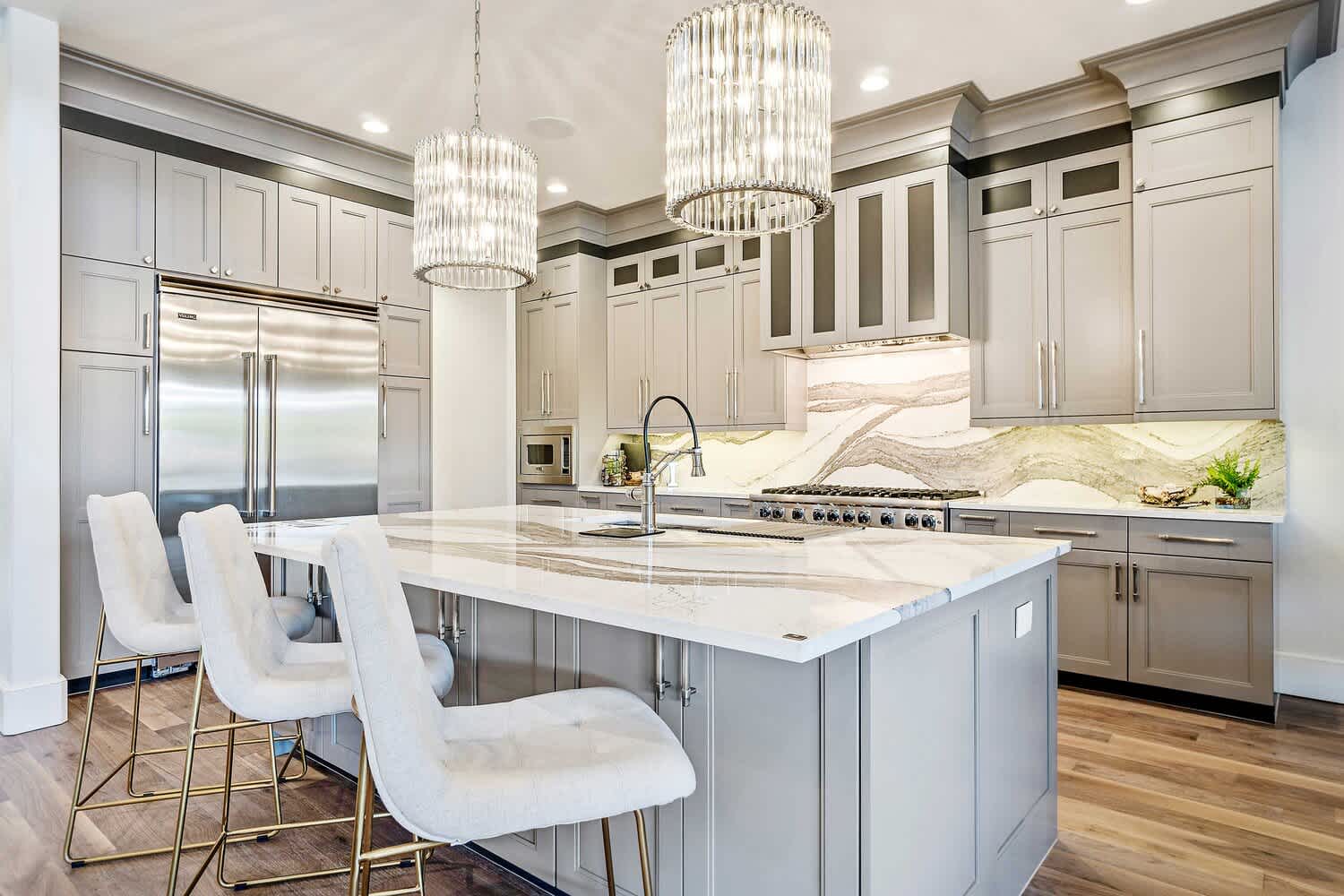
Custom-ordered finishes for primary island cabinets experience four-week setbacks due to manufacturer logistics failure. The renovation stalls because quartz installers cannot finalize the countertop. The decision point evaluates the possibility of temporary installation of functional, lower-cost items or removing the island from the critical path to allow work elsewhere. The trade-off involves comparing the cost of double-handling against the expense of the project going “dark.”
Resource Dynamics, Cost Structures, and Lifecycle Value
Economic impacts of renovation disruptions extend far beyond surface-level costs of increased labor hours.
| Cost Category | Financial Impact | Variable Factors |
| Direct Labor Inflation | High | Extended crew duration, overtime rates |
| Material Price Escalation | Moderate | Market fluctuations, contract type |
| Indirect/Opportunity Cost | Variable | Storage fees, rental costs, utility overlap |
| Project Management Overhead | High | Extended supervision and logistical coordination |
Investment in professional-grade scheduling software and external oversight often functions as a hedge against these hazards. The opportunity cost of an inaccessible home remains significant, and homeowners should calculate their “burn rate”—the total cost of living arrangements and carrying fees—to understand the real-world threshold for justifying expensive mitigation strategies.
Tools, Strategies, and Support Systems
Successful project management relies upon a range of analytical tools:
-
Digital Progress Tracking: Utilizing photo-based site documentation apps that time-stamp and geolocate progress against the schedule.
-
Rolling Schedule Reviews: Moving from fixed, static documents to “look-ahead” schedules updated every seven days to reflect actual performance.
-
Risk Registers: Living documents tracking potential future disruptions, their probability, and pre-planned response actions.
-
Integrated Communication Platforms: Using centralized dashboards for all RFIs, submittals, and changes to avoid fragmentation across emails or texts.
The Risk Landscape: Identifying Compounding Failures
Timeline failure is rarely a sudden event; it represents the accumulation of systemic oversights.
-
Communication Silos: These occur when owners, architects, and builders operate without a shared source of truth regarding scope and progress.
-
The “Scope Creep” Trap: Frequent, minor changes made during construction collectively destroy original project logic and sequence.
-
Structural Fatigue: The cumulative effect of constant schedule adjustments degrades morale and efficiency among field labor, leading to lower-quality workmanship.
Governance, Maintenance, and Long-Term Adaptation
High-functioning renovation projects act as complex systems requiring formal governance.
Establishing Review Cycles
-
Weekly Performance Audit: Mandatory, scheduled reviews comparing past progress versus look-ahead plans.
-
Change Order Reconciliation: Monthly reviews ensuring every variation in scope remains logged, priced, and approved to prevent future disputes over timeline impact.
-
Adjustment Triggers: Establishing clear thresholds for when setbacks require formal contract addendums—for instance, any lapse exceeding 72 hours on a critical path item.
Layered management checklists should undergo maintenance by lead project overseers, ensuring that momentum undergoes constant monitoring and adjustments happen before small variances compound into significant delays.
Measurement, Performance Signals, and Analytical Documentation
Success in high-end design remains measured by the clarity of project health, not just absence of conflict.
-
Leading Indicators: Frequency of RFI resolution, adherence to submittal dates, and accuracy of weekly look-ahead projections.
-
Lagging Indicators: Actual milestone completion dates compared against the baseline, and frequency of rework due to coordination errors.
-
Qualitative Signals: Professional tone during site meetings and contractor transparency regarding field constraints.
Documentation should include initial baseline schedules, logs of approved scope variations, and chronological files of all critical site decisions.
Common Misconceptions and Oversimplifications
-
The “Penalty” Fallacy: The belief that liquidated damages represent effective management tools. In practice, they often encourage builders to hide issues until they become unmanageable.
-
The Scheduling Rigidity: The assumption that projects undergo completion exactly as planned. Rigid timelines are often the most fragile; they ignore reality regarding field discovery.
-
The Communication Overload: Constant, ad-hoc contact often prevents crews from focusing upon critical paths, ironically contributing to stalled workflows.
-
The “Fixed Price” Myth: Believing that fixed-price contracts protect against timing problems. They often incentivize contractors to cut corners or slow down when margins tighten.
Strategic Synthesis and Future Engineering Pathways
Managing a high-end renovation fundamentally involves risk identification and adaptive control. By prioritizing structural preparation, clear communication protocols, and fact-based schedule monitoring, homeowners minimize the impact of inevitable disruptions. Reality within modern construction requires a shift toward transparency and collaborative problem-solving. Those who approach remodeling as a sophisticated logistical challenge rather than a simple retail transaction achieve the highest degree of project integrity. This focus upon process ensures that the home serves as a resilient, long-term asset rather than a source of unresolved frustration.